LIMB PRESERVATION & SALVAGE

When a Limb Is at Risk,

Every Decision Matters.

BlueOcean Global works with clinicians who treat the most challenging
limb cases—building the frameworks, training, and tools they need to do it well.

an integrated approach to modern limb preservation

A surgical framework that helps clinicians think through staged decision-making and coordinate care across complex limb preservation cases.

A surgical framework that helps clinicians think through staged decision-making and coordinate care across complex limb preservation cases.decision-making and coordinate care across complex limb preservation cases.decision-making and 

Limb Preservation & salvage

Practical support for the multidisciplinary teams working to keep complex, at-risk limbs viable through every stage of treatment.

Limb preservation is rarely one procedure. It’s a process — one that demands strategy, adaptability, and real collaboration along the way.

BlueOcean started with a simple, uncomfortable reality: too many limbs are lost because the toolbox runs out. In the sickest patients—diabetes, Charcot, infection, and “no-option” ischemia—surgeons are often forced to choose between compromised solutions and amputation.

FASTR was born from the belief that limb preservation shouldn’t be a heroic outlier. It should be repeatable, scalable, and teachable—with a method that creates durable biology and a system that makes complex reconstruction feel controllable. That required two things working together: a modern circular fixation platform (Excelsior) and a procedural playbook that clinicians could actually execute reliably.

Over three hard years of engineering, iteration, and surgeon feedback, BlueOcean built the Excelsior System and paired it with FASTR—an approach designed to help surgeons do what they already know is possible, but too often can’t operationalize: restore stability, create a pathway for healing, and give patients a real chance at keeping their limb.

1950s–1980s
Ilizarov’s Discovery

Gavriil Ilizarov demonstrated that living tissue responds predictably to controlled mechanical tension. Through gradual distraction, bone and surrounding soft tissues could regenerate—establishing the biologic foundation for modern limb reconstruction and deformity correction.

1990s-2000s
Global Adoption of Circular Fixation

Ilizarov principles spread worldwide, enabling complex deformity correction, limb lengthening, and reconstruction. Circular external fixation became a powerful tool for skeletal restoration, though systems were largely designed around bony correction alone.

2000s
PRC (China) Advances: TTT / Bone Transport for Ischemia

Building directly on Ilizarov’s tension-stress principles, surgeons in China advanced tibial transverse transport (TTT)—a bone-transport method aimed at improving distal limb perfusion and microcirculation in severe ischemic conditions. Early clinical application in China is reported around2000–2001, with subsequent work expanding the concept and building a substantial clinical body of experience.  

2026
Today

Modern limb preservation patients present with far greater complexity—diabetes, ischemia, infection, Charcot deformity, and significant soft-tissue compromise. Successful reconstruction now requires coordinated management of bone, soft tissue, and biologic recovery.

The FASTR Approach
Advancing the Principles

FASTR builds upon Ilizarov’s foundational biologic concepts—incorporating the lessons of circular fixation and the Chinese body of work—within a modern procedural framework and fixation platform designed for both skeletal reconstruction and soft-tissue restoration. The goal is to make advanced limb salvage more reproducible, teachable, and accessible for patients once considered “no-option.”

When limbs are at risk

Patients rarely need

just one thing.

Managing skeletal stability, soft tissue, and biologic recovery often has to happen all at once. And the plan you start with often isn’t the plan you finish with.

These cases ask you to think ahead, stay flexible, and adapt as conditions change. BlueOcean was built around that reality—not around an ideal scenario.

Why Blueocean exists

Built from

clinical reality.

BlueOcean grew out of conversations with clinicians who were doing everything right—and still watching patients lose limbs that might have been saved with better tools and a better plan.

We set out to build something more complete: training and technique alongside the technology, all grounded in the real challenges these surgeons face every day.

FASTR™ Framework

A framework for limb

preservation and function.

FASTR is a clinical methodology that helps physicians work through complex limb cases with greater structure—coordinating stabilization principles, soft-tissue considerations, and staged procedural planning in a way that makes sense for how these cases actually unfold. FASTR is an educational and procedural framework. It’s designed to support clinical decision-making, not replace it. Treatment decisions always rest with the treating physician.
THE EXCELSIOR™ SYSTEM

Built for the procedure you plan.

Ready for the one you get.

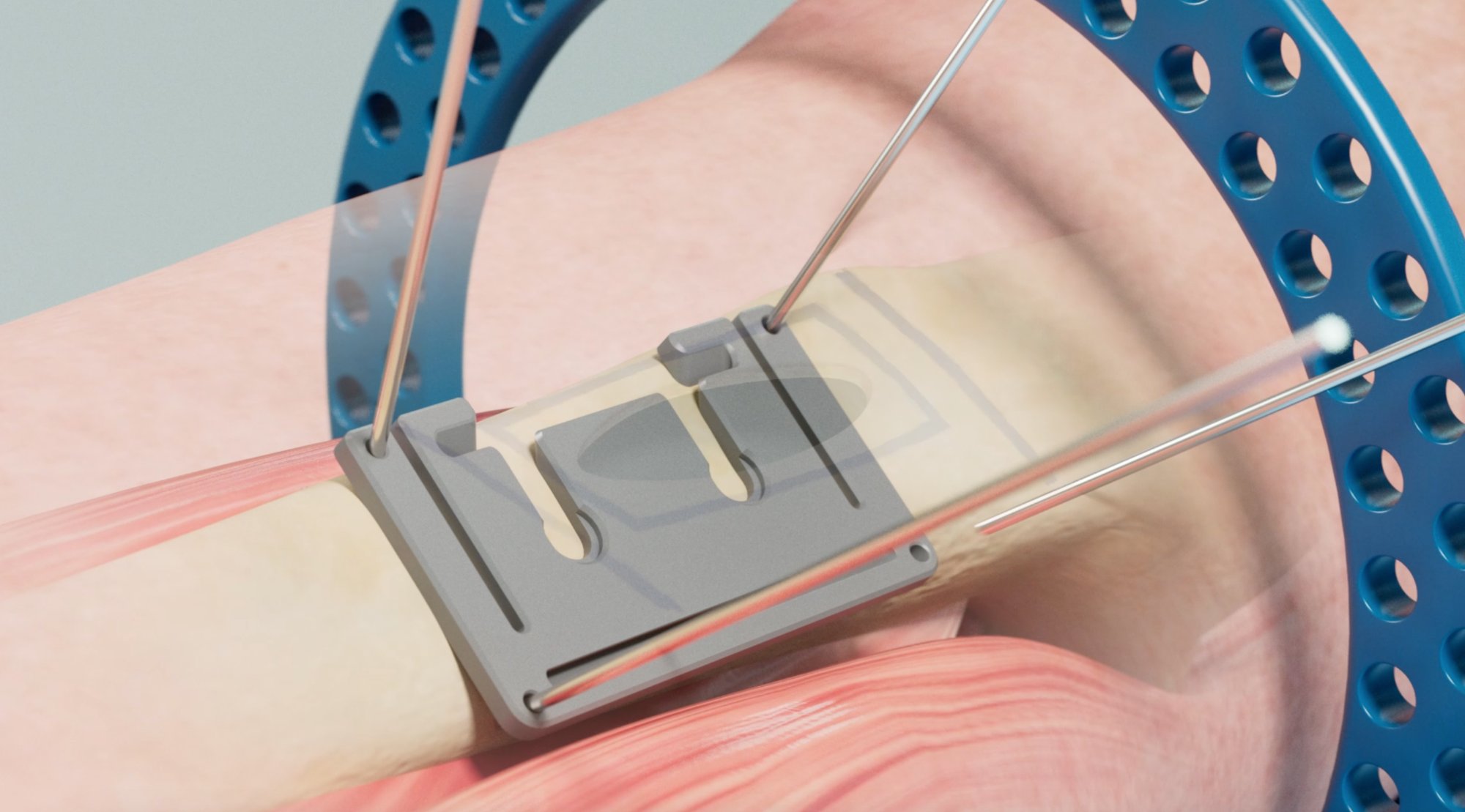
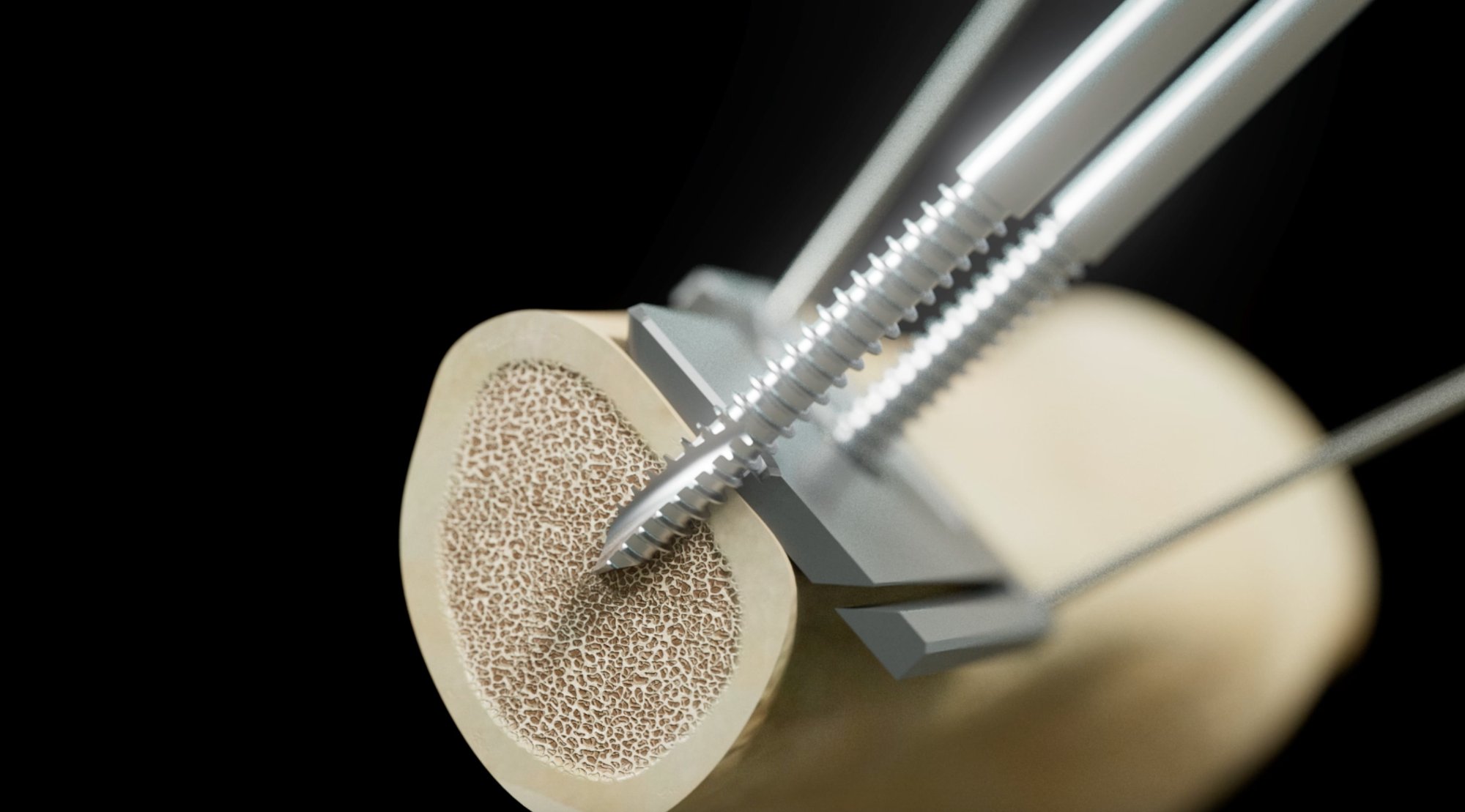
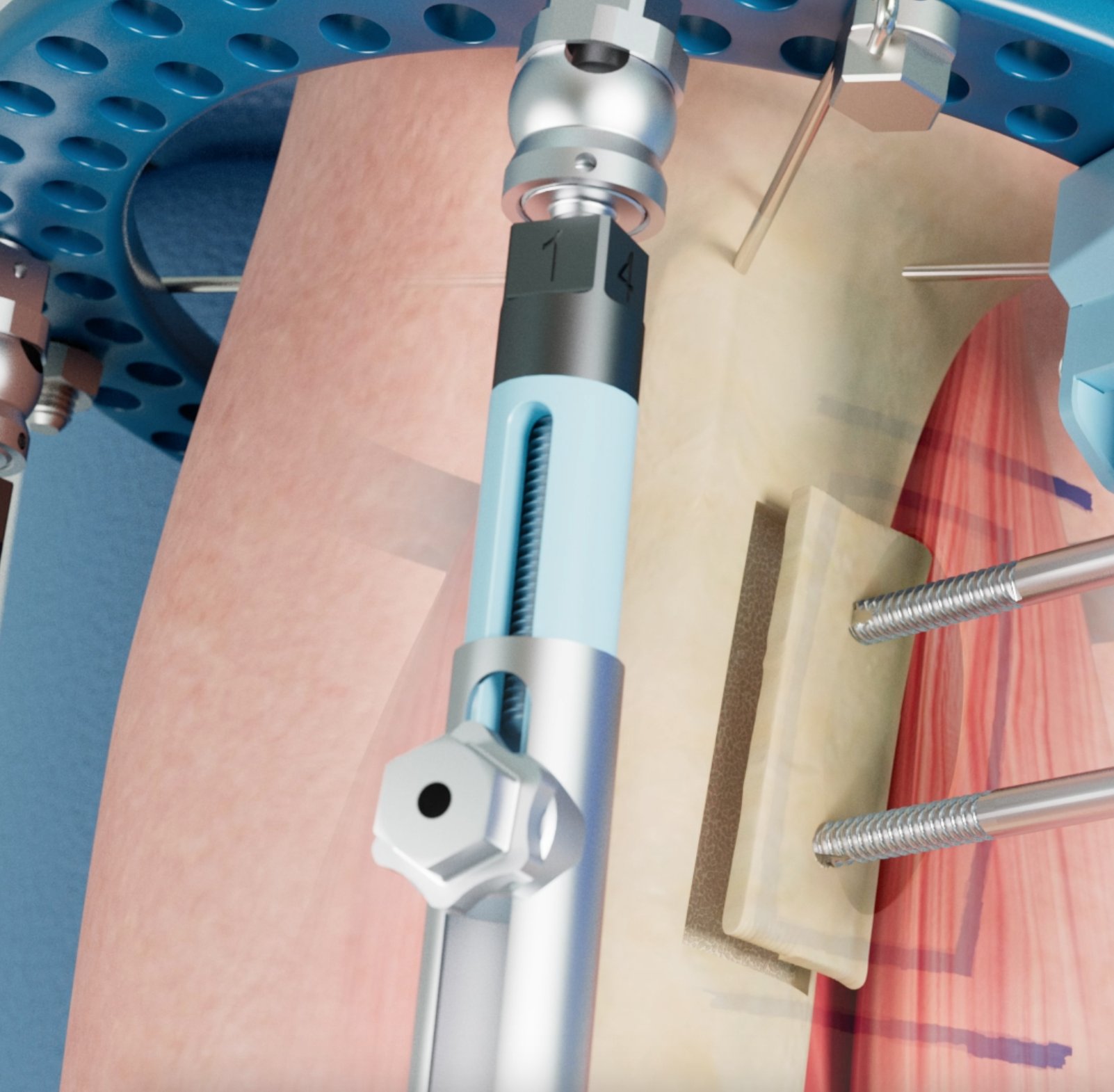
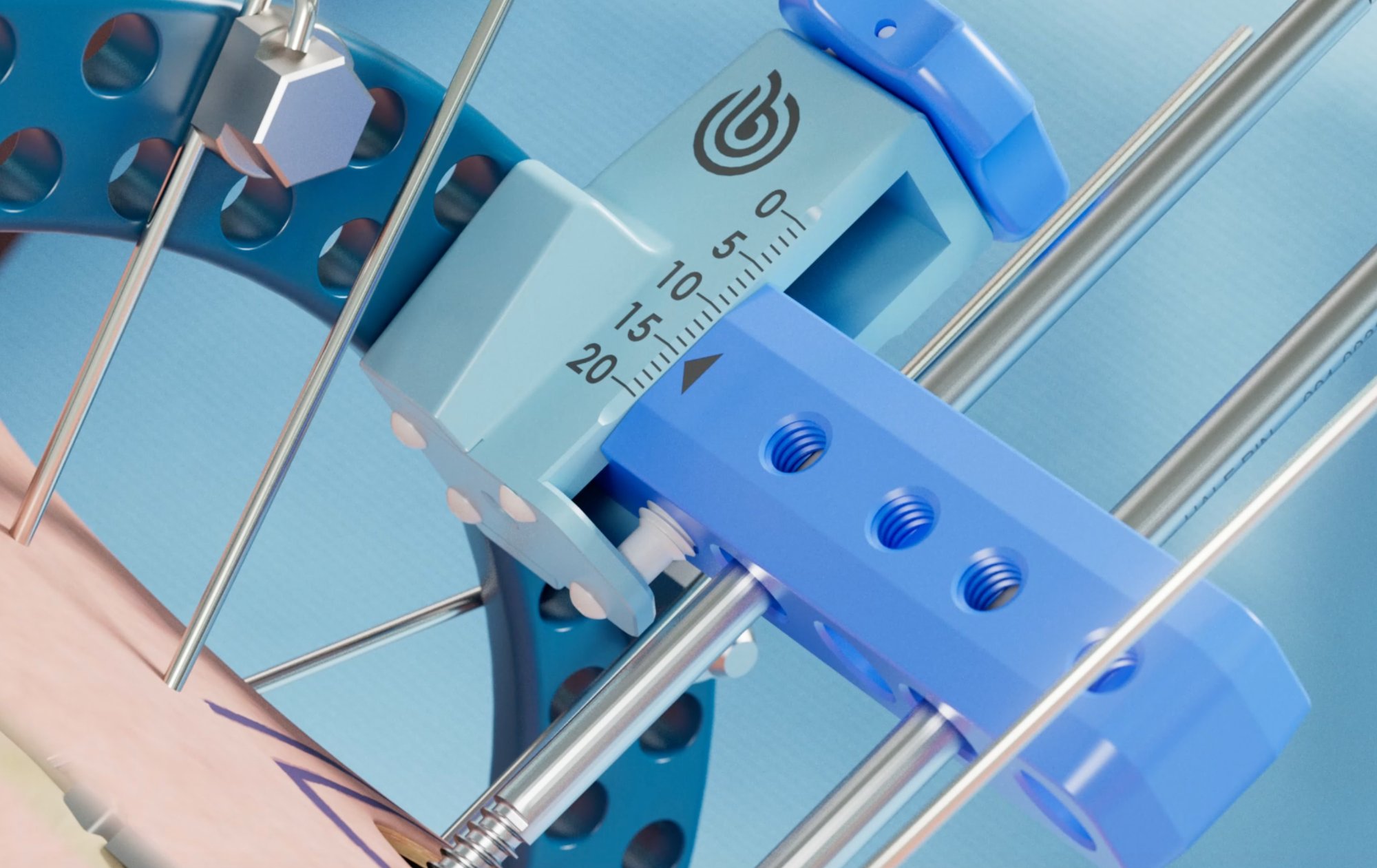
The Excelsior System was developed alongside the FASTR framework for cases that require multiplanar stabilization, bone transport, or complex limb preservation strategies—within its cleared indications for use.

It was built with a clear-eyed understanding of what limb preservation actually demands—and designed to give you options when the clinical picture shifts mid-treatment.

the market

Supporting an Emerging.

Limb Preservation Category.

Patients rarely present with a single problem. Most arrive with a combination of challenges that have to be addressed together.

Bone loss or instability

Infection or septic conditions

Charcot-related deformity

Infection or septic conditions

Soft tissue compromise

Complications from diabetes & impaired healing

Coordinating care across orthopedic, podiatric, vascular, and wound care specialists isn’t optional in these cases—it’s the whole game. BlueOcean sits at the intersection of surgical education, procedural frameworks, and fixation—connecting what surgeons know with the tools and training to put it into practice.

Leadership

Operational leadership &

deep clinical insight.

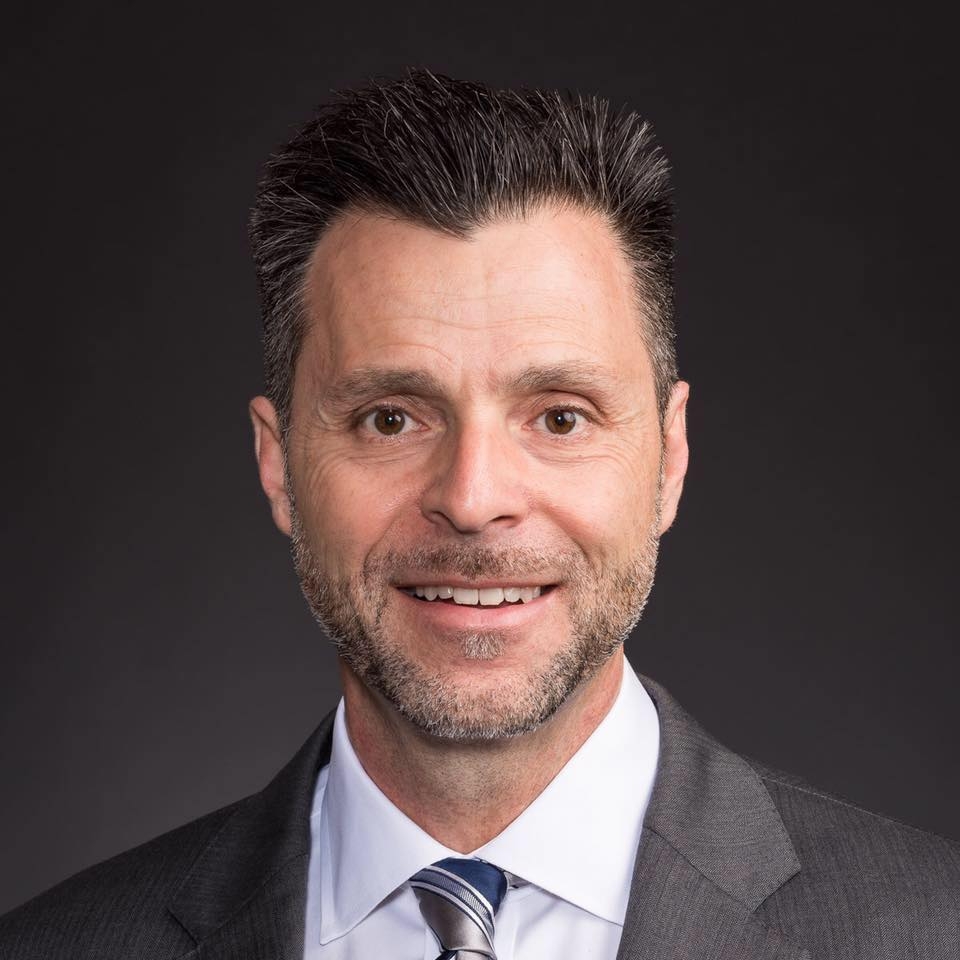
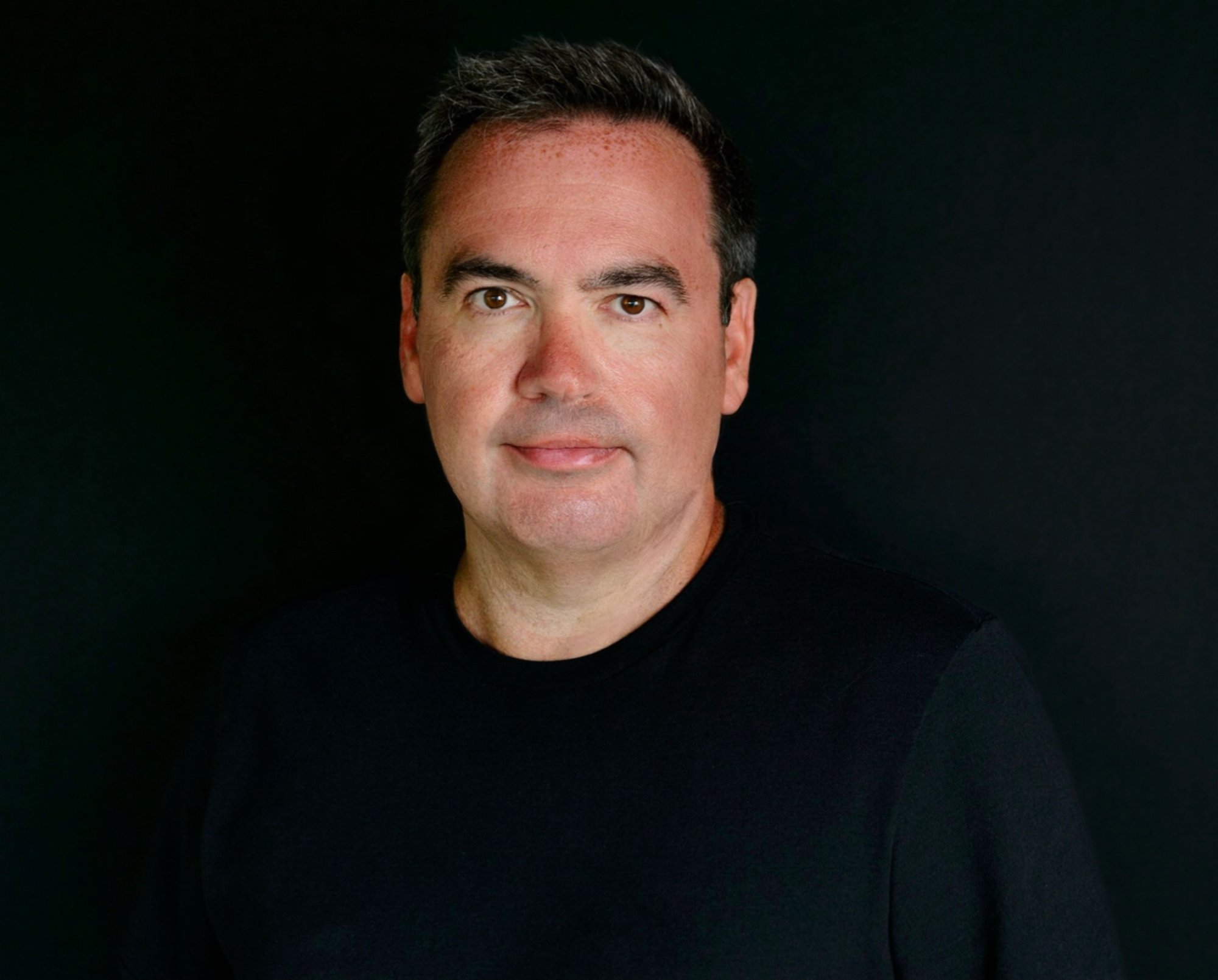
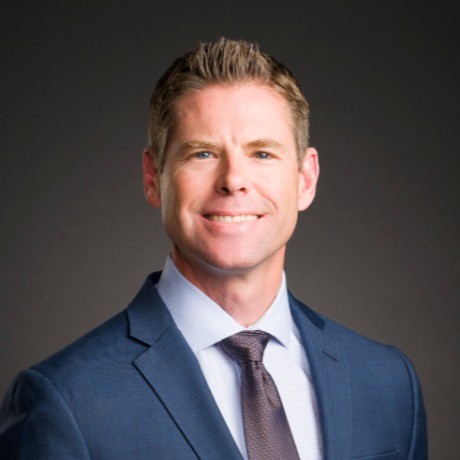
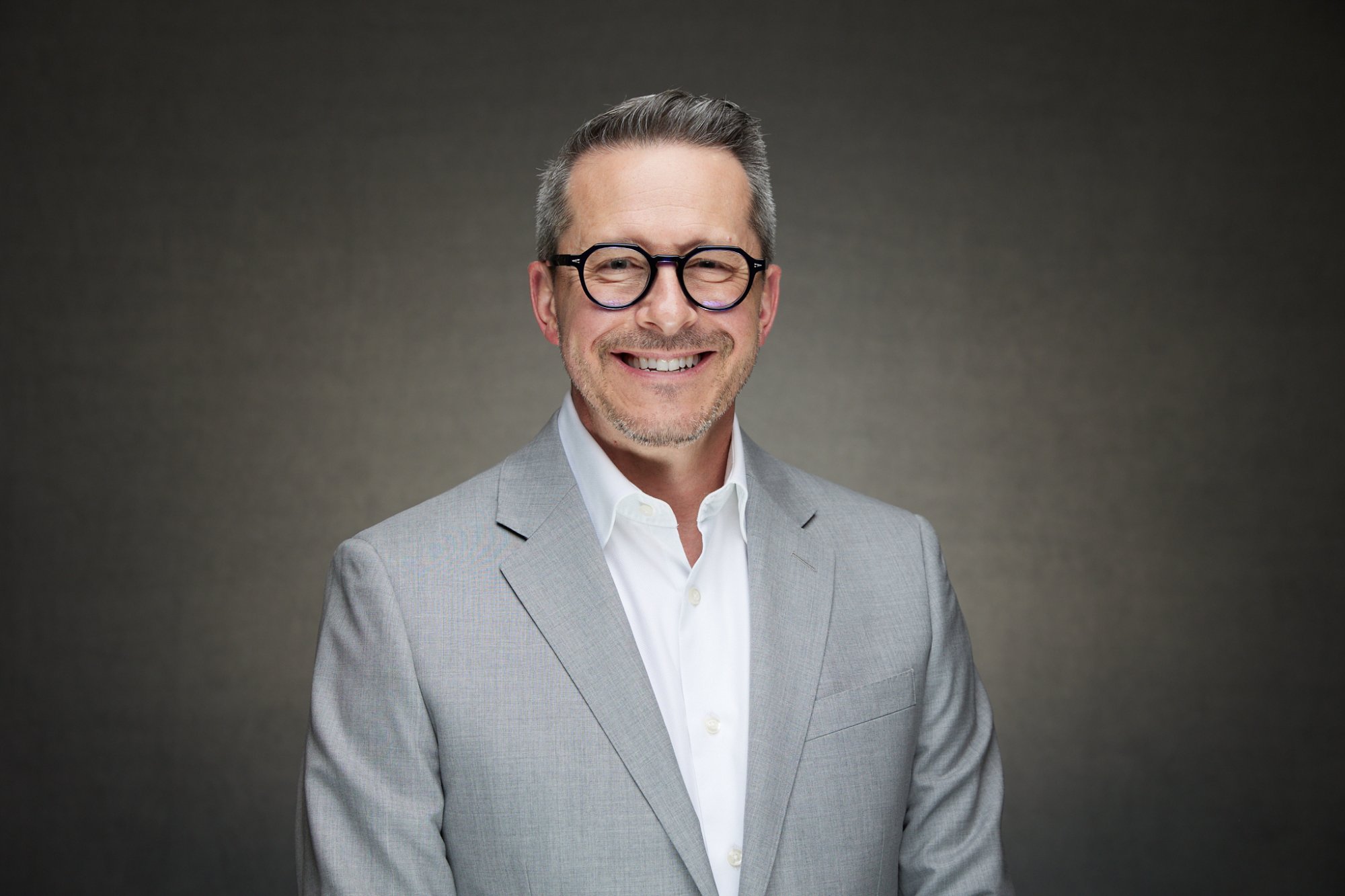
Scott Ludecker
President & Chief Executive Officer
With more than 25 years of experience in the global medical device industry, Scott is a proven industry leader with a demonstrated track record of successfully commercializing disruptive medical technology. Developing new markets and the teams to deliver above industry growth rates is his passion. Scott has extensive experience with both start-up and turn around companies having generated in excess of $1.2 billion in shareholder value through strategic exits. He is a graduate of Kenyon College.
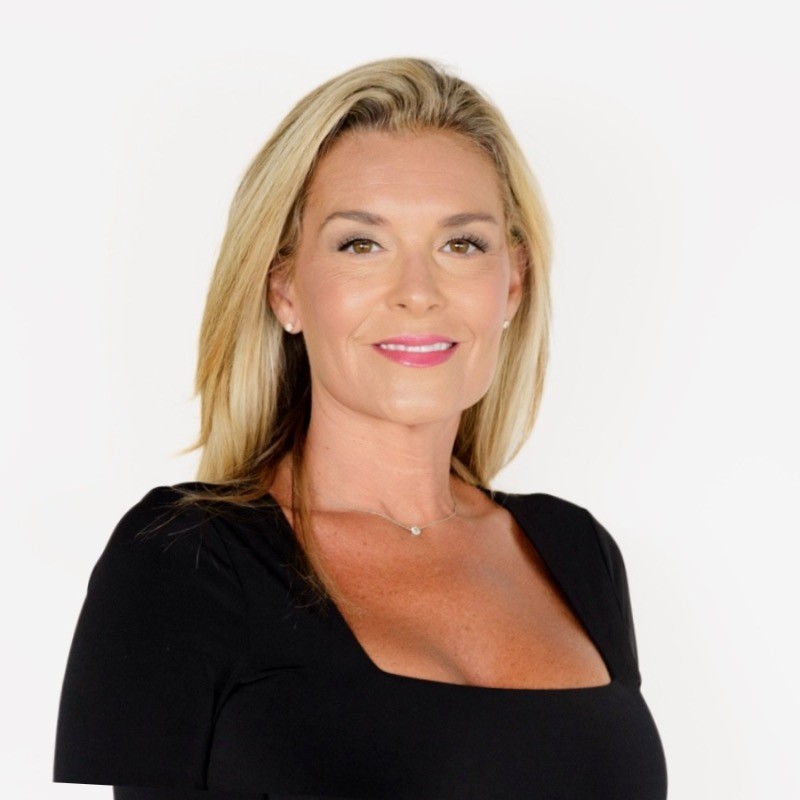
Stacy Miller
Sr Vice President Human Resources and Operations
Spanning a career of more than 20 years, Stacy has served in senior human resources leadership positions developing, overseeing, and managing policies and programs for high growth companies; both private and public. Her experience includes global talent management, recruiting, corporate compliance, rapidly expanding organization staffing, mergers and acquisitions, and operations. She is a graduate of Virginia Tech

Surgeon advisory team

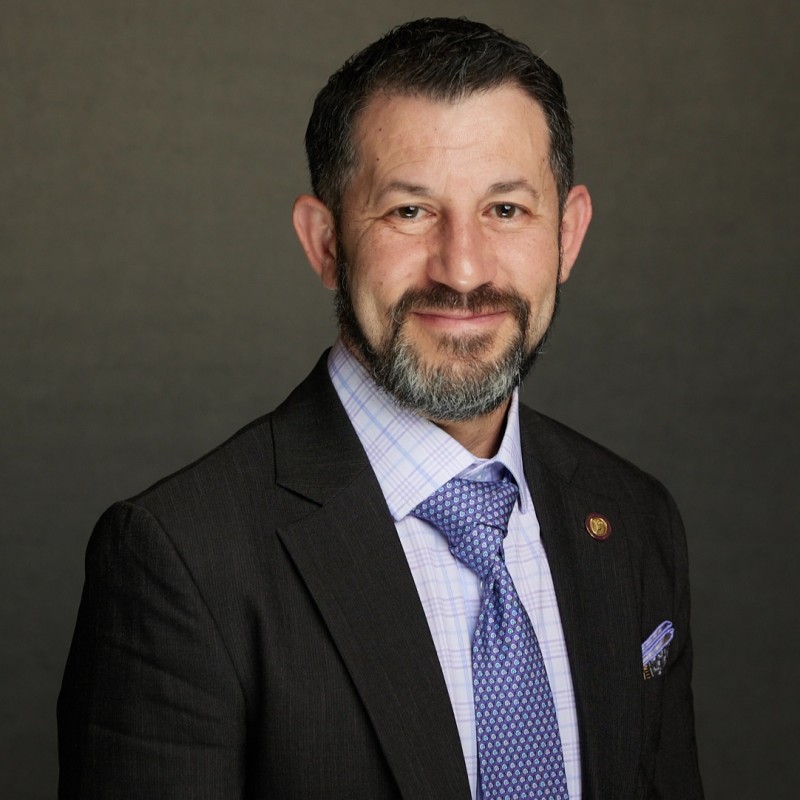
Michael Theodoulou, DPM, FACFAS
Cambridge, MA
Alan Macgill, DPM, FACFAS
Boca Raton, FL
Guido Laporta, DPM, MS, FACFAS
Scranton, PA
Jason Piraino, DPM, MS, FACFAS
St Augustine, FL
Lawrence Lavery, DPM, MPH
San Antonio, TX 
Raquel Sugino, DPM, MS, FACFAS
Overland Park, KS
Michael Siah, MD
Dallas, TX

connect with blueocean

Let's talk about

what you're working on.

Clinical education inquiries/training opportunities.

Product information and value analysis inquiries.

Collaboration opportunities.